Quick answer: condensation after insulation usually means warm, moist air is reaching a colder roof space and cannot escape. The insulation may be doing its thermal job, but the roof still needs airflow at the eaves, ridge or roof vents.
- Condensation is not the same as a roof leak, but it can still damage timbers, insulation and ceilings.
- Common clues include wet underlay, damp insulation, mould on rafters and water beads on cold surfaces.
- The fix is usually ventilation and air-sealing, not simply adding more insulation.
Why condensation appears after insulation work
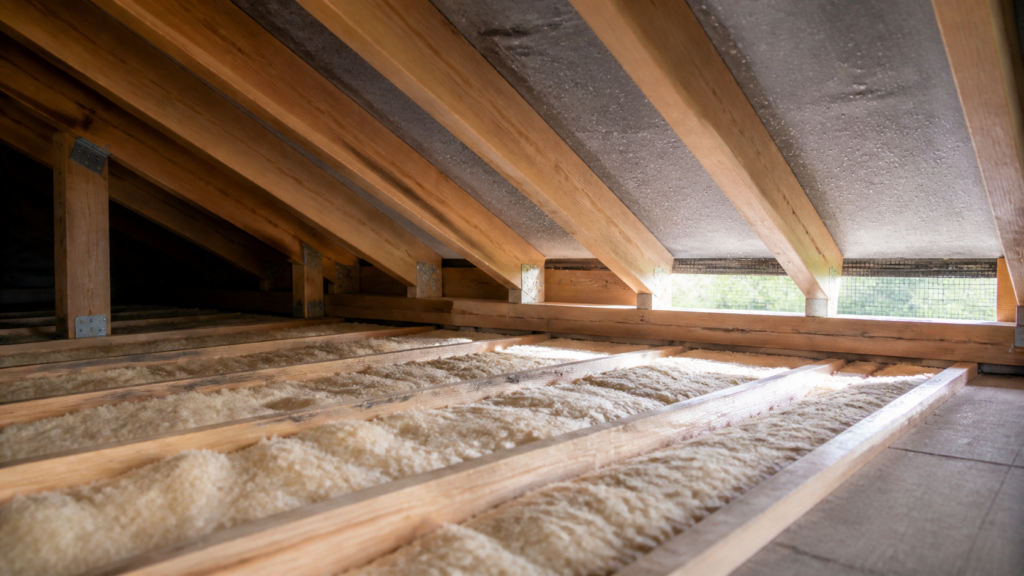
Insulation changes the temperature balance in a roof. The living space stays warmer, while the loft or roof void above can become colder. If warm indoor air reaches that cold space, moisture can condense on underlay, nails, timbers or the underside of tiles.
This is why roof insulation and ventilation must be considered together. A warmer house with a poorly ventilated roof void can move the damp problem from the room into the roof structure. Our roof insulation and ventilation page covers this as a roofing system, not a single-product fix.
How to tell condensation from a roof leak
A leak is usually linked to a specific weather event or roof detail, such as heavy rain, a valley, chimney, skylight or missing tile. Condensation often appears more widely, especially after cold nights, and may affect several rafters or sections of underlay rather than one obvious entry point.
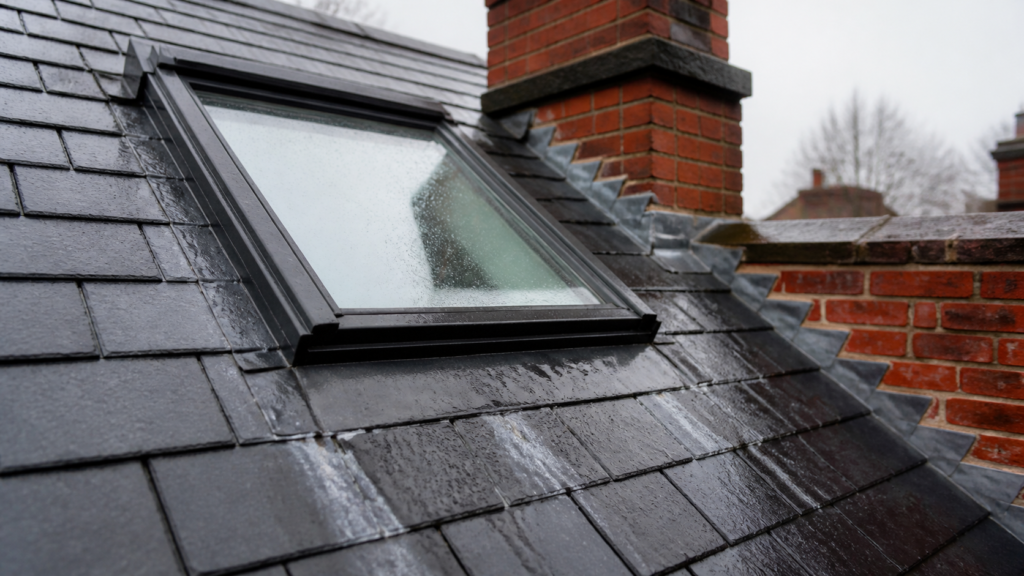
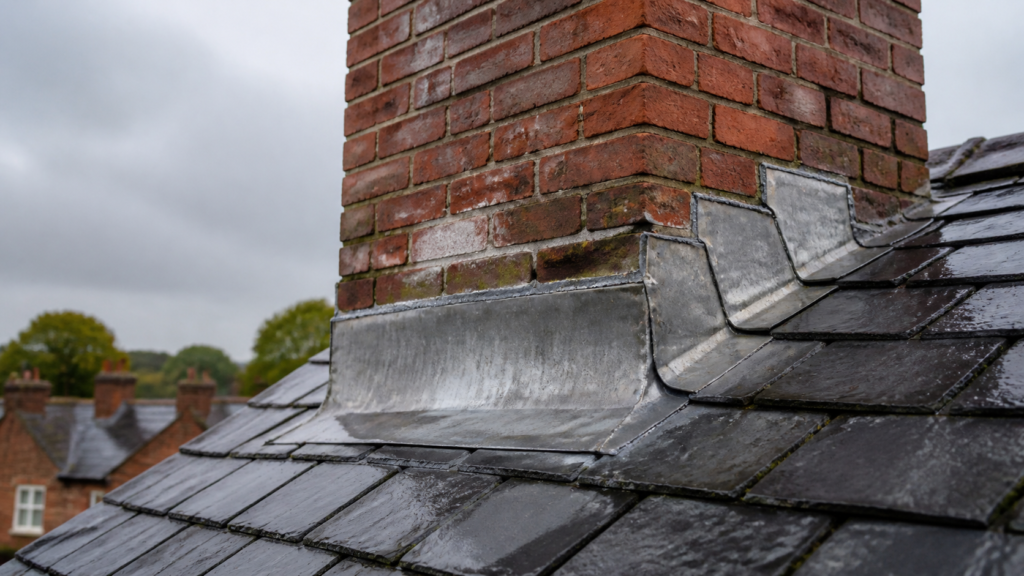
The pattern matters. Water below a chimney or roof window may point to a local defect. Beads of moisture across the underside of roof felt suggest air movement and ventilation should be checked. When in doubt, a roof inspection can separate a roof leak from a ventilation problem.
What should be checked first
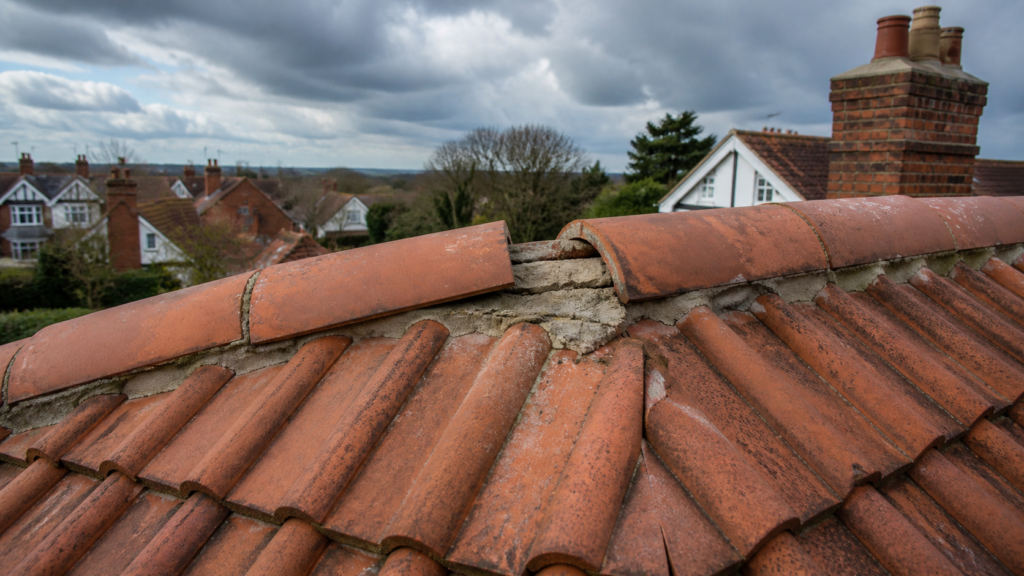
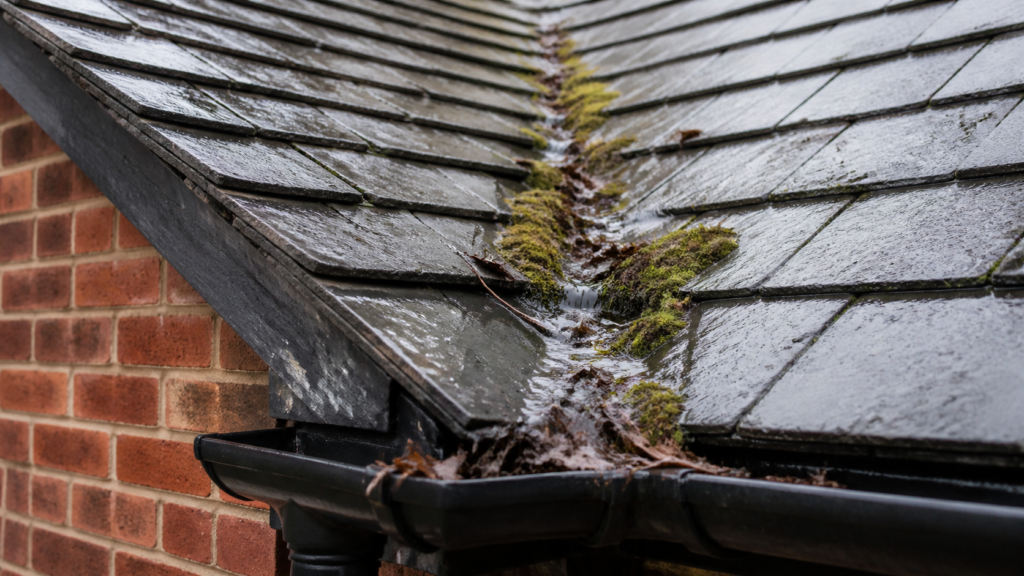
Start with airflow. Eaves vents can be blocked by insulation pushed too far into the roof edge. Ridge ventilation may be absent, blocked or poorly matched to the roof build-up. Tile vents may be needed where the roof shape does not ventilate naturally.
Then check air leakage from the house. Loft hatches, recessed lights, bathroom extractors, pipe penetrations and gaps around services can all carry warm, moist air into the roof. If bathroom or kitchen fans discharge into the loft rather than outside, the roof space will stay damp.
When roof ventilation needs a roofer
A roofer is needed when ventilation has to be added through the roof covering, when underlay is failing, or when damp has already affected battens, rafters or insulation. On tiled roofs, ventilation work must be fitted without creating a new leak path.
If damp is also appearing near a roof junction, read our guide to why roof valleys leak, because condensation and local leaks can sometimes exist at the same time.
FAQs about roof condensation
Is condensation in a loft serious?
It can be. A small seasonal amount may dry out, but persistent wet underlay, mould or damp insulation can damage the roof structure and should be investigated.
Will more insulation fix roof condensation?
Usually not on its own. More insulation may make the roof void colder, which can make condensation worse if ventilation and air leakage are not addressed.
Do I need tile vents?
Maybe. Tile vents can help where eaves and ridge airflow are inadequate, but the right answer depends on the roof shape, underlay and existing ventilation route.
Can a roof leak look like condensation?
Yes. A slow leak can spread across underlay and look like general damp. The timing, location and weather pattern should be checked before deciding.
Kent Roofing Services can inspect condensation, damp lofts and ventilation issues across Kent. Contact us if your roof space is staying wet or mouldy.