If a storm has damaged your roof, deal with safety and water first and the roof itself second. Keep everyone away from the ground beneath the damage, contain any water coming into the building, photograph what you can see from ground level, and then arrange a proper inspection. Do not climb up to look. A roof that has just taken a gale is the most dangerous place on the property, and loose slates can move again hours after the wind has dropped.
Kent gets weather from two directions. The Channel coast at Folkestone, Dover and Thanet takes the full run of a southwesterly, while the Thames Estuary funnels north easterlies across Medway, Gravesend and Sheppey. Add salt-laden air along the north Kent shoreline and you have a county where roofs are worked harder than the national average, and where storm damage tends to arrive in clusters rather than one at a time.
The first hour, in order
- Clear the ground. Cordon off the area below the damage, including parking spaces and any route children or pets use. Slates and ridge tiles that have shifted but not fallen will usually come down eventually.
- Deal with water inside. Move furniture, lift carpets where you can, and put a container under an active drip. If water is pooling in a ceiling and the plasterboard is bulging, that is a load waiting to fail.
- Turn off electrics in the affected area if water is anywhere near a light fitting, a downlight or a consumer unit. Do this at the consumer unit, not by pulling a wet fitting.
- Photograph everything from the ground. Wide shots showing the whole elevation, then zoomed shots of the damage. Include debris in the garden and any interior water damage.
- Call it in. Then leave it alone until someone qualified has looked at it.
What you should not do is get a ladder out. Wet slate is slippery, tiles that look bedded are often no longer fixed, and gutters and fascias that have taken a hit will not carry a ladder safely. Our emergency roof and leak repair service exists for exactly this, and attending at short notice is a normal part of the work.
What storm damage to a Kent roof usually looks like
Most of what a storm does to a pitched roof falls into a short list, and almost all of it is visible from the ground with a decent pair of eyes or a phone camera at full zoom.
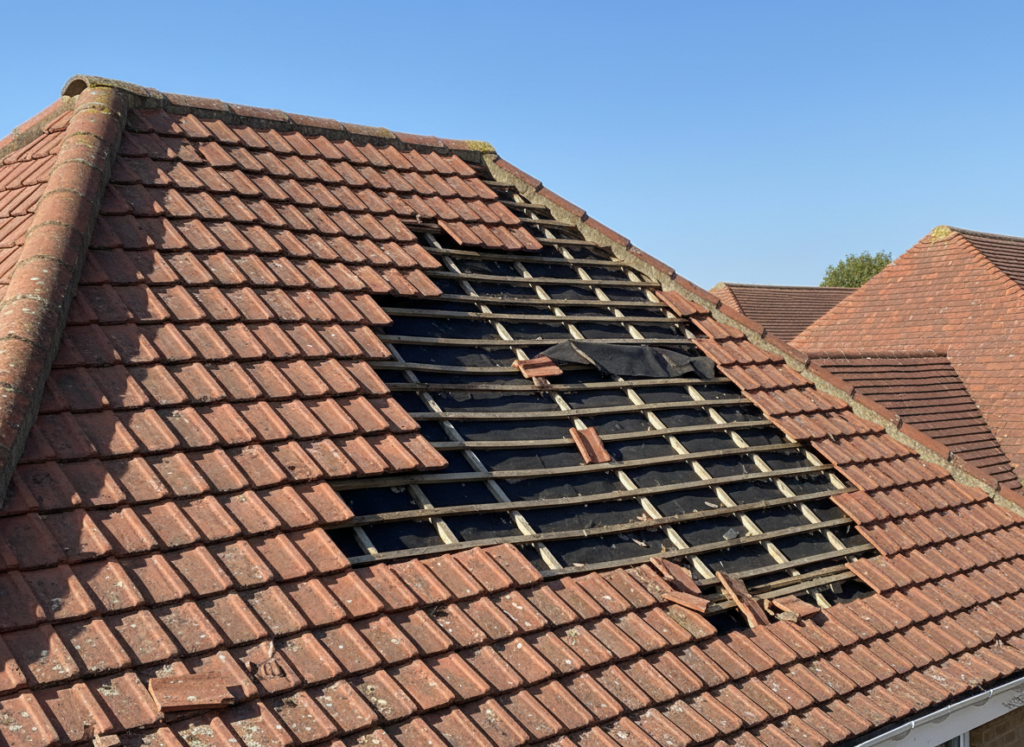
- Slipped or missing slates and tiles. A dark gap in an otherwise even slope. On natural slate roofs a single gap often means several fixings nearby have gone too.
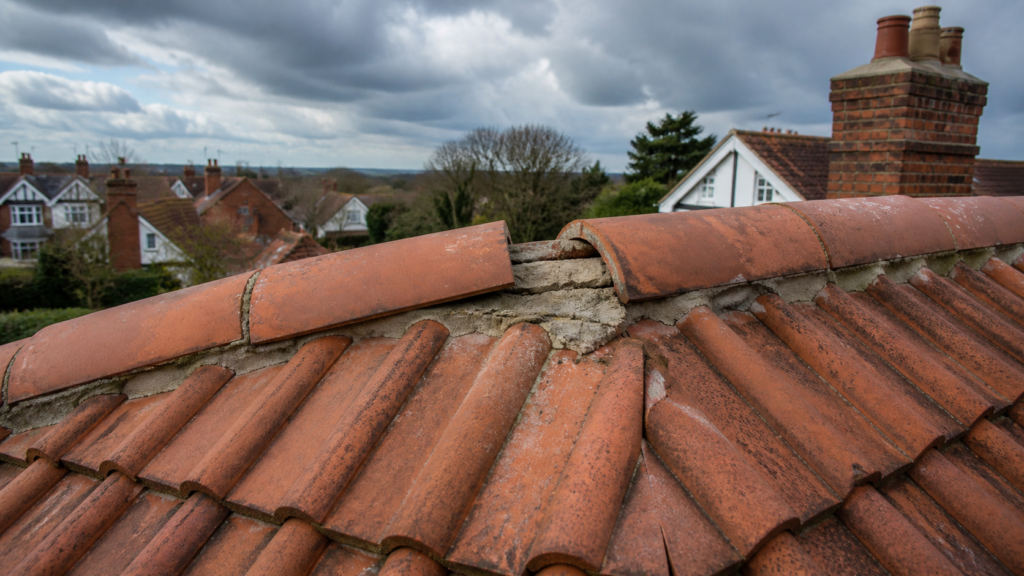
- Displaced ridge or hip tiles. Sand and cement bedding is the usual failure point, particularly on roofs where the mortar has been in place for decades.
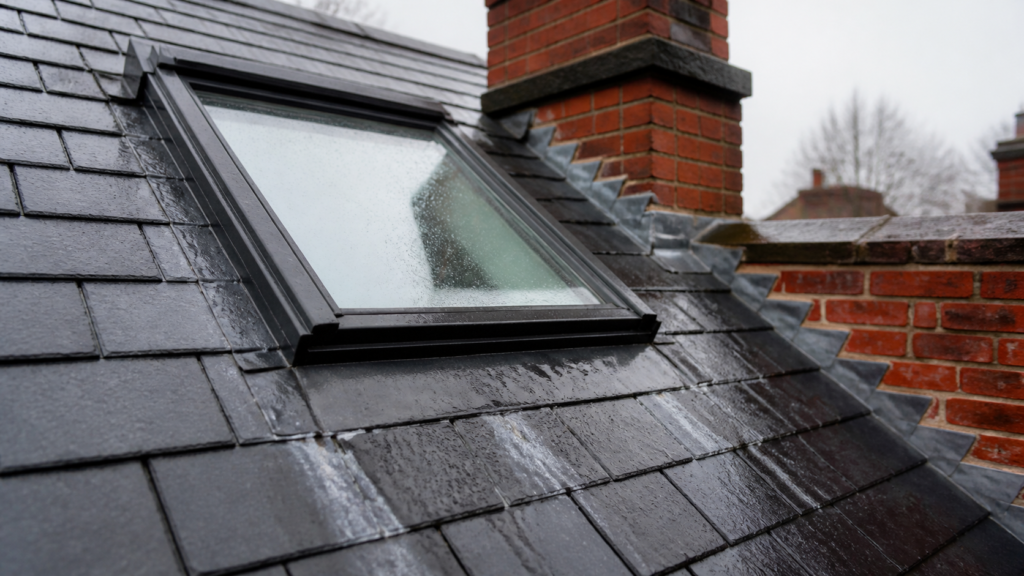
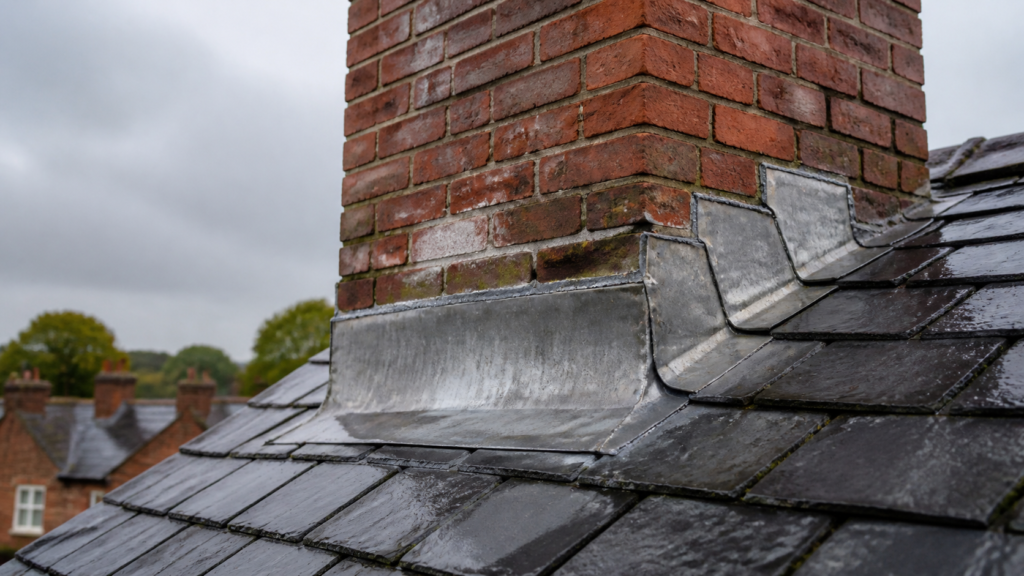
- Lifted lead flashing. Around chimneys, in valleys and where a roof abuts a wall. Wind gets under a loose edge and rolls it back like a lid.
- Verge damage. Mortar along the gable edge cracks and drops, leaving the end tiles unsupported.
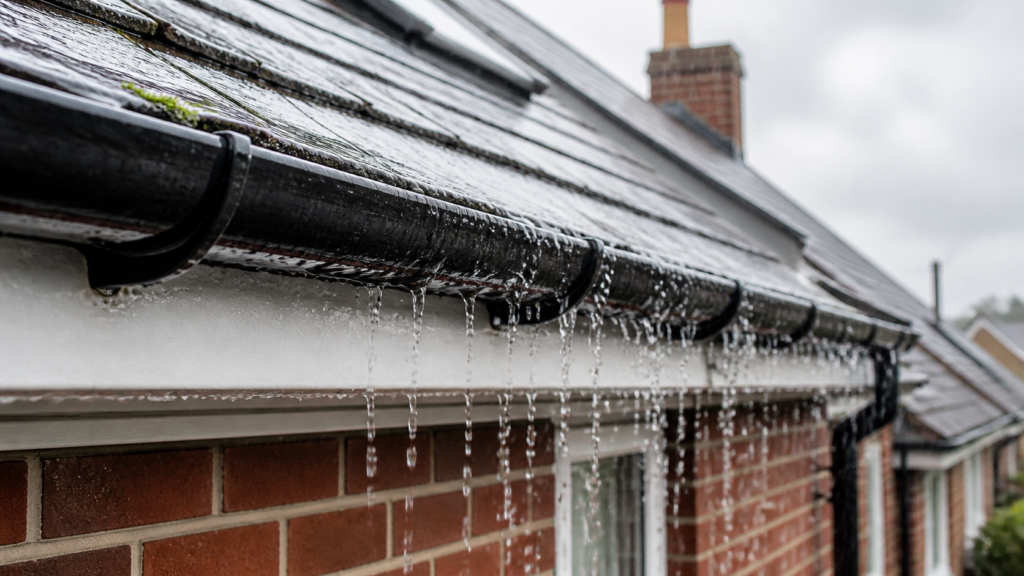
- Gutter and fascia damage. Often the first thing noticed, because it is at eye level.
- Chimney damage. Loose pots, cracked haunching, or lost pointing. Chimneys are exposed on all four sides and take more wind loading than any other part of the roof.
Interior signs matter just as much. A damp patch on a bedroom ceiling after a storm, a stain running down a chimney breast, or a smell of damp in a previously dry loft all point to water finding a route in even where the outside looks intact.
Why coastal and estuary properties take more of it
Salt in the air accelerates corrosion of the fixings that hold a roof together. On properties in Whitstable, Herne Bay, Margate, Ramsgate, Deal and Folkestone, nails, clips, lead clips and steel fixings degrade faster than they would inland, so a wind event that a Wealden roof shrugs off can strip a coastal one. The same applies to the estuary side around Sheerness, Gravesend and the Medway towns.
Exposure also compounds. A roof that quietly lost a few slates over three winters has an underlay that has been getting wet and fixings around the gap already working loose, so the next storm takes a bigger bite. That is why exposed properties, from Thanet round to the estuary, benefit disproportionately from regular roof maintenance rather than reactive repairs. We cover the whole county, and the coverage area page lists the towns in full.
The evidence your insurer will want
Storm damage is normally covered by buildings insurance, but claims turn on a narrower definition than most people expect. Insurers and the Financial Ombudsman Service generally treat a storm as involving gusts of around 55mph or more, alongside thresholds for rainfall, snow or hail. Below that, an insurer can and often will argue that the weather was not exceptional and the damage was gradual.
That makes three things worth doing straight away:
- Record the date and time the damage occurred or was first noticed. Named storms make this easier, but any dated photograph helps.
- Keep the damaged material if it is safe to retrieve from the ground. A broken slate or a ridge tile is physical evidence.
- Get a written inspection report that describes the damage and its cause. A clear professional account of what failed, and why, is considerably more persuasive than a homeowner’s description. Our roof inspections and surveys produce exactly that kind of written record.
Be aware of the other side of the coin. Insurers routinely decline claims where the underlying cause is wear and tear or a roof that had reached the end of its serviceable life. A storm that removes six slates from a roof whose fixings had already corroded is, in the insurer’s view, a roof that failed rather than a roof that was damaged. That is a reason to know which situation you are in before you start, not a reason to avoid claiming.
Temporary protection is not the repair
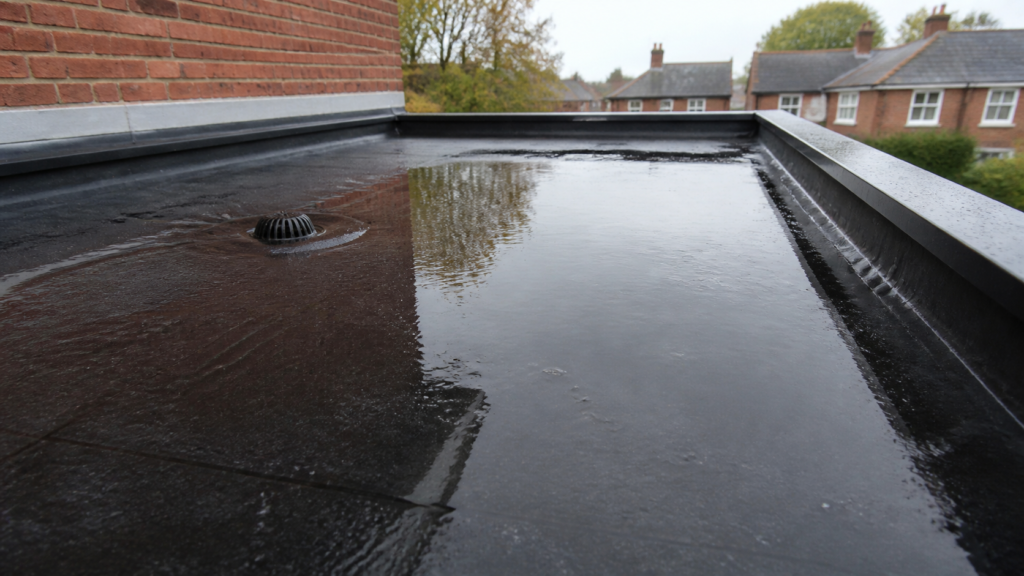
The immediate job after a storm is usually to stop water getting in. That might mean a tarpaulin over an exposed area, a temporary cover to a stripped section, or clearing a blocked outlet that is causing water to back up. It buys time and prevents the damage spreading into ceilings, insulation and electrics.
It is not the repair, and it should never be presented as one. A permanent fix means matching the existing covering, re-fixing correctly, renewing the underlay or battens where they have been compromised, and re-forming any leadwork that has been disturbed. On older Kent properties with peg tiles or natural slate, sourcing a match is part of the job and can affect how long it takes. Our storm and weather damage repair service covers the whole sequence, from making safe to finished work.
When the storm was not really the cause
Sometimes a storm simply reveals a problem that was already there: ridge mortar that had failed years earlier, lead flashing never dressed properly into the brickwork, a valley patched with sealant instead of relined, or fixings corroded to the point where the slates were held mainly by their neighbours. That last one has a name, nail sickness, and it is why some Kent slate roofs shed slates in weather that should not trouble them.
An honest inspection will tell you which of these you are dealing with, because the answer changes what you do next. Isolated damage to a sound roof is a repair. Damage to a roof where the fixings or underlay have failed generally is a different conversation, and it is worth understanding how to tell a roof that needs repairing from one that has reached the end before paying for the same repair three winters running. Our page on roof repairs sets out how that is assessed.
Getting it looked at
If your roof has taken damage in a storm, the useful next step is a proper look at it by someone who can tell you whether you are dealing with a repair, an insurance claim, or a roof approaching the end of its life. We arrange a free roof survey across Kent and Medway, carried out by approved roofing specialists who are fully insured and appropriately qualified, and you get a written account of what was found rather than a verbal estimate at the door.
Get in touch to arrange a free roof survey and we will attend at a time that suits you.