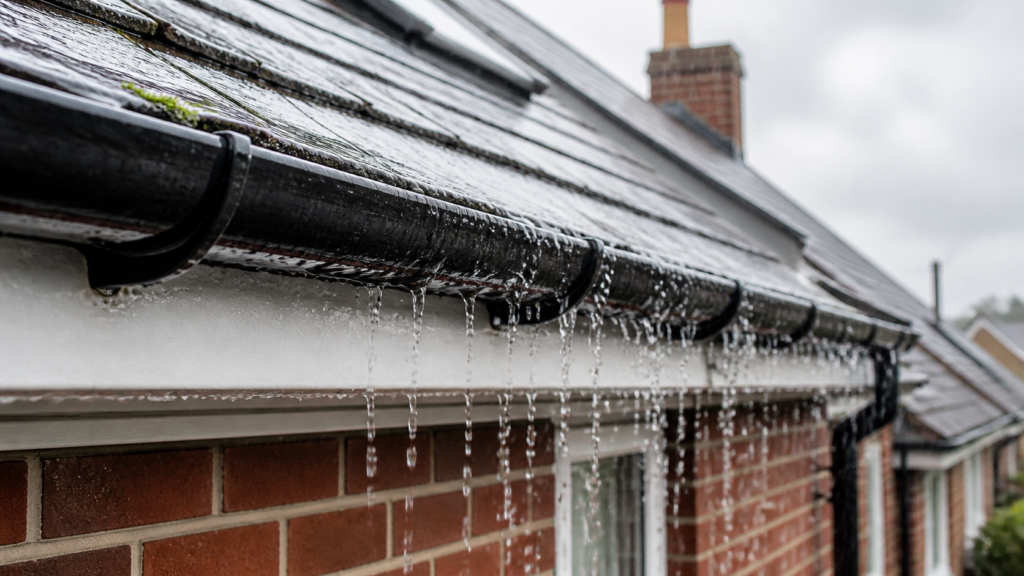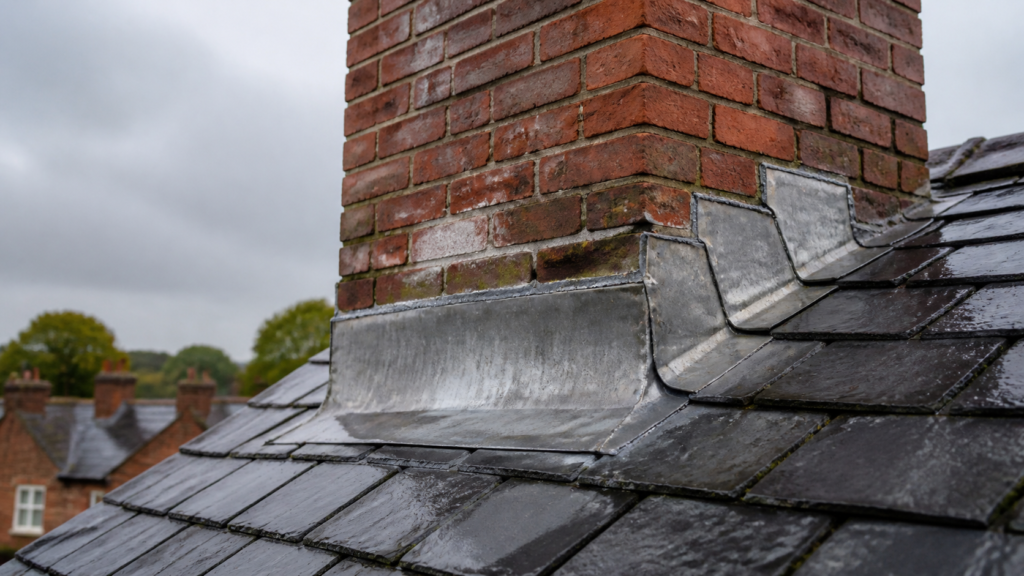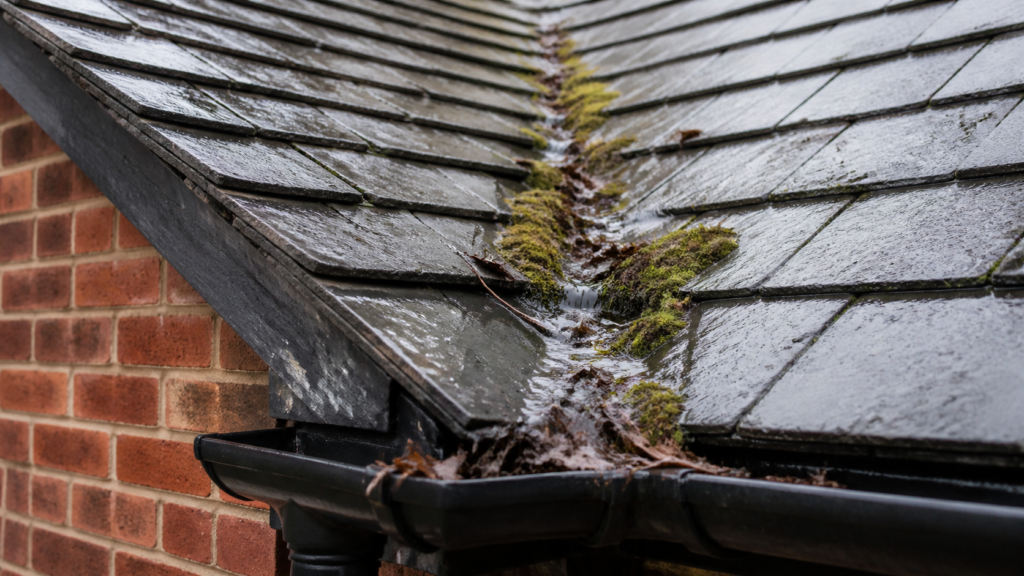
Quick answer: roof valleys usually leak because water is being slowed, redirected or held in the valley. Leaves, moss, cracked mortar, slipped tiles, tired leadwork and poor previous repairs can all push water sideways under the tiles instead of down into the gutter.
- Check the ceiling below the valley, the loft timbers and the gutter line before assuming the whole roof has failed.
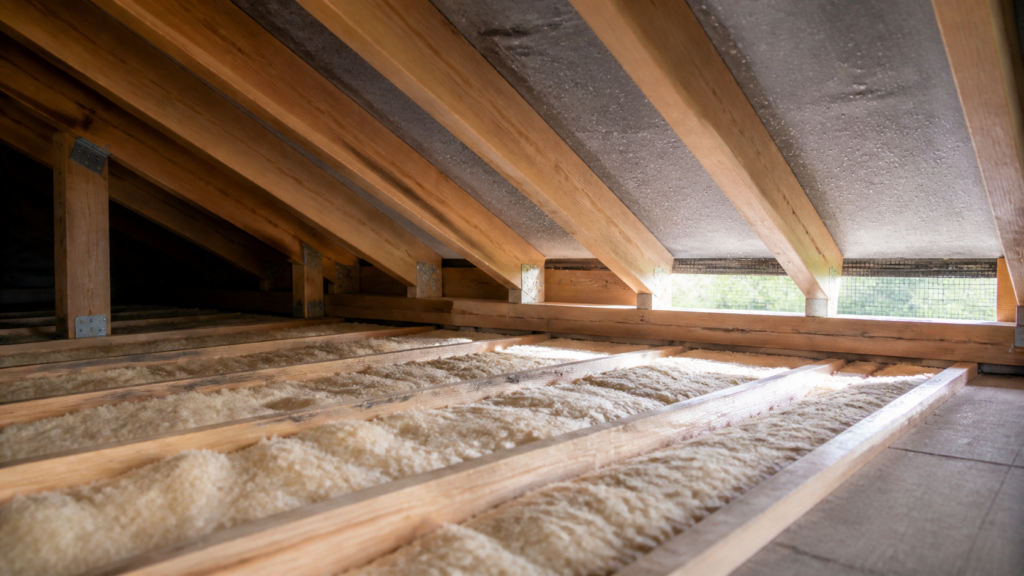
- Do not seal a valley from inside the loft. That traps water in the roof structure and hides the real entry point.
- A proper inspection should look at the valley lining, the cut tiles or slates, the underlay, the battens and the outlet into the gutter.
Why valleys are one of the first places to leak
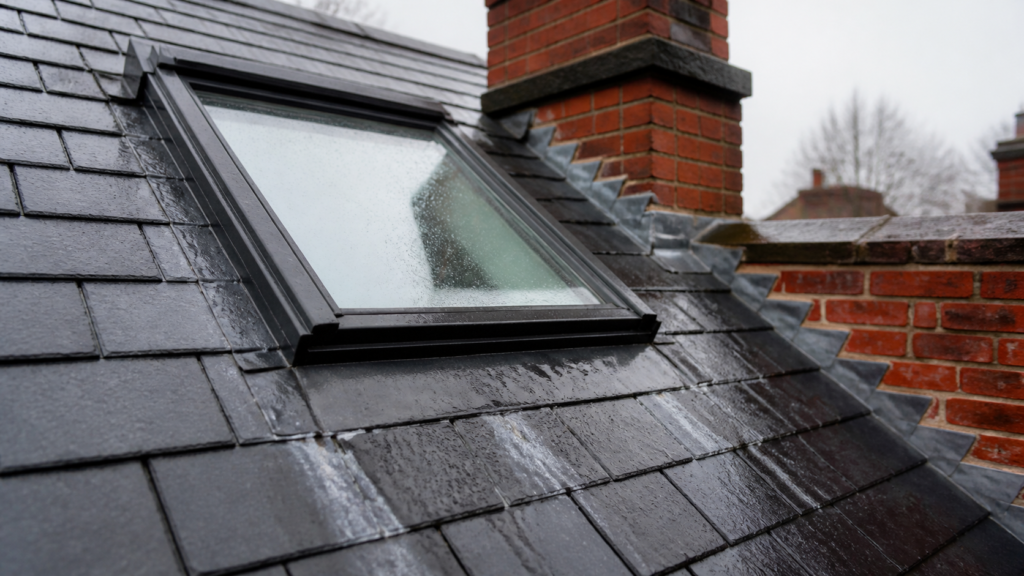
A roof valley is the channel where two roof slopes meet. It carries more water than the plain sections of roof because two pitches are draining into one line. That makes the valley a high-stress part of the roof, especially on older Kent homes with clay tiles, slate, extensions, dormers or awkward roof shapes.
When a valley works properly, water runs down the lining and into the gutter without touching the timber structure below. When the channel narrows, blocks or cracks, water can back up, creep sideways under the cut tiles and appear inside the house some distance away from the actual fault.
The common causes of a leaking roof valley
The most common cause is simple blockage. Moss, leaves, broken mortar and grit collect in the valley and slow the flow of rainwater. In tree-lined streets around Maidstone, Sevenoaks, Tunbridge Wells and the Medway towns, valleys can load up quickly through autumn and winter.
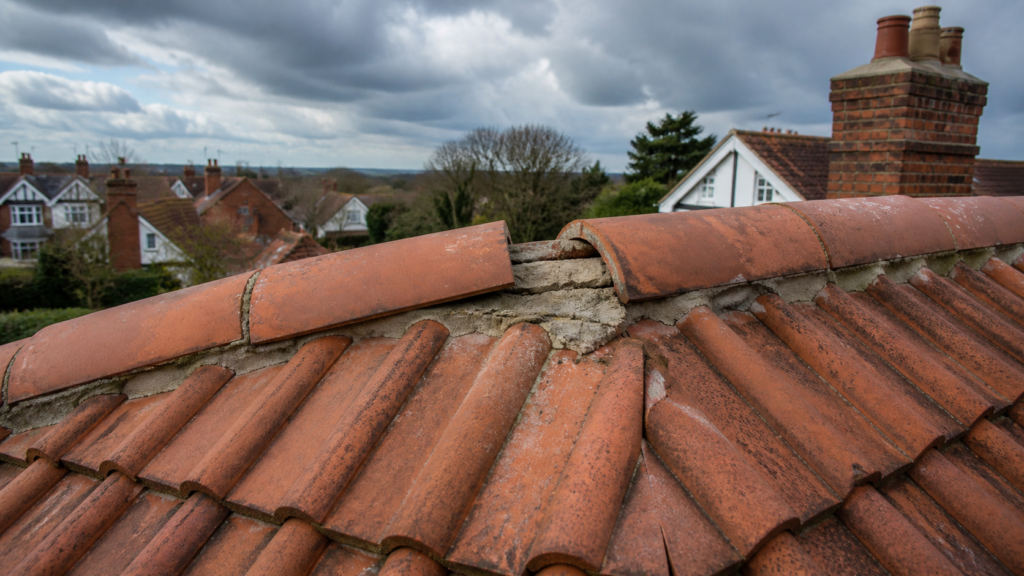
Other causes are more structural. Lead or GRP valley linings can split, older mortar can crack away, tiles can slip, and short-term sealant repairs can fail once the roof expands and contracts through normal weather changes. If the leak follows heavy rain or wind-driven rain, the valley should be checked alongside the surrounding tiles, flashings and gutter outlet.
Signs the valley is the problem
A valley leak often shows as a damp patch near a ceiling corner, beside a chimney breast, above a bay window or below an extension junction. In the loft, you may see dark staining on rafters or underlay near the meeting point of two slopes. Outside, look for debris sitting in the channel, displaced cut tiles, cracked mortar edges or a gutter that overflows below the valley.
If water appears only during heavy rain, the fault may be overflow rather than a hole. If it appears after ordinary rain, the lining, laps or surrounding roof covering may already be compromised. Either way, a roof inspection is the safest way to separate a cleaning issue from a repair issue.
What a proper valley repair should include
A good repair starts by clearing and inspecting the full valley, not just the visible split. The roofer should check the lining, the cuts, the support below the valley, the underlay, the battens, the tile laps and the gutter outlet. On some roofs, clearing and re-bedding may be enough. On others, the valley needs stripping back and renewing.
For older roofs, the valley repair may also reveal wider issues such as tired fixings, loose tiles or failed flashing. That does not always mean a new roof is needed, but it does mean the repair should be judged in context. Our guide to repairing or replacing a Kent roof explains when a local repair is sensible and when repeated patching starts to cost more than solving the roof properly.
When to call a roofer urgently
Call quickly if water is dripping through the ceiling, if the valley sits above electrics, if plaster is bulging, or if the leak follows storm damage. In that situation, the first job is to contain the water safely and stop further damage. Our emergency roof and leak repair service is built for that first response.
If the leak is slower, book a planned roof repair before the next wet spell. Valley leaks rarely improve on their own because each rainfall carries more debris into the same channel.
FAQs about leaking roof valleys
Can a blocked roof valley cause a leak?
Yes. A blocked valley can slow rainwater until it backs up under the cut tiles or slates. Clearing the valley may solve the problem if the lining and surrounding roof are still sound.
Should I put sealant on a leaking valley?
No. Sealant is usually a short-term patch and can hide the real fault. The valley needs to be inspected so the lining, tile cuts, laps and outlet can be repaired properly.
Does a leaking valley mean I need a new roof?
Not always. Many valley leaks are local repairs. A new roof becomes more likely when the surrounding covering, fixings or underlay are failing across a wider area.
How often should roof valleys be checked?
Check visible valleys after autumn leaf fall and after severe weather. If the roof sits below trees or has several valleys, planned maintenance is usually cheaper than waiting for a leak.
If you have damp near a roof junction, Kent Roofing Services can inspect the roof, find the entry point and advise whether you need cleaning, a local valley repair or wider roof work. Contact us to arrange a visit.